‘Dark web links Silk Road’ usually refers to searches for the former Tor-based marketplace or historical information about it; the original Silk Road no longer operates. It became a defining dark web marketplace by connecting anonymous buyers and sellers, but any page claiming to be the original should be treated as a copy, phishing attempt, or scam—never enter personal details or send cryptocurrency.
What “Silk Road Dark Web Links” Mean Today
The phrase ‘Silk Road dark web links’ can refer to various things, from historical references to current impersonations of the original marketplace. Understanding what these links signify is crucial for anyone navigating the dark web.
One possibility is that the term relates to the original Silk Road’s .onion address, which was taken down in 2013 during a significant law enforcement operation. This marketplace was known for facilitating the sale of illegal goods, primarily drugs, using Bitcoin as a form of payment. After its closure, the term might also point to pages that law enforcement created to warn users about the dangers of engaging in similar activities online.
Another common reference is to Silk Road 2.0, which emerged shortly after the original was shut down. This site aimed to replicate the original Silk Road's model but was also taken down by authorities in 2014. It’s important to note that while some links might lead to archived reports or news articles discussing these marketplaces, they are not active marketplaces.
There are also many copycat sites that attempt to lure users with names similar to Silk Road. These can be scams or phishing attempts designed to steal personal information or cryptocurrency. It’s essential to approach any site claiming to be Silk Road with caution and skepticism.
Currently, there is no official, operating Silk Road marketplace. Any links or references suggesting otherwise should be viewed critically. We do not provide links to illegal markets or endorse any activity that violates laws. If you want to explore the dark web safely, consider checking resources that offer insight into navigating it securely, such as Dark Web Addresses: Your Essential Guide.
Is the Original Silk Road Still Around?
The original Silk Road is no longer operational. In October 2013, the Federal Bureau of Investigation (FBI) seized the marketplace during a major operation known as Operation Onymous. This event marked the end of an era for the dark web, as Silk Road had become a prominent platform for anonymous buying and selling, particularly of illegal goods like drugs.
Following the shutdown of the original Silk Road, a new version, Silk Road 2.0, emerged in November 2014. However, this marketplace was also taken down by law enforcement within a year of its launch. Both the original Silk Road and its successor were significant in how they shaped the landscape of online marketplaces on the dark web.
Today, any websites claiming to be the original Silk Road should be approached with skepticism. These pages are not authenticated by the original service and could be scams or phishing attempts aimed at stealing personal information or cryptocurrency. The U.S. Department of Justice (DOJ) and court records confirm that no legitimate Silk Road marketplace exists anymore.
To summarize, if you come across a link purporting to be the Silk Road, remember that it is likely a copycat or a fraudulent site. Always exercise caution when navigating the dark web, and never enter personal details or send cryptocurrency to unverified sites.
How the Original .onion Link Worked
Silk Road operated as a Tor onion service, making it accessible only through specific software. Unlike regular websites, you couldn't just type its address into a standard browser. Silk Road's .onion address was part of a unique system that ensured users could browse anonymously.
.onion addresses are specially formatted URLs that can only be accessed using the Tor browser. This browser encrypts your internet traffic and routes it through a series of volunteer-operated servers, known as nodes. This process makes it extremely difficult to trace a user's location or identity. When you entered a .onion address, your request was sent through several layers of encryption, hence the term 'onion routing'.
The distinction between the dark web and the broader deep web is important. The deep web includes all parts of the internet not indexed by standard search engines, which covers a vast range of legitimate content like databases and private corporate sites. The dark web, a small segment of the deep web, is intentionally hidden and often associated with illegal activities. While the deep web is mostly benign, the dark web is notorious for hosting marketplaces like Silk Road, where illegal goods could be bought and sold.
To summarize how Silk Road operated:
- Access: Only via the Tor browser.
- Address Format: .onion URLs.
- Anonymity: Enabled through onion routing, making user tracking very difficult.
This system was pivotal for Silk Road, allowing it to thrive as a marketplace for illicit goods while providing a degree of anonymity for its users. However, this anonymity is a double-edged sword; it attracts not only buyers and sellers but also law enforcement agencies like the FBI, which eventually led to the marketplace's downfall.
Why Silk Road Became Significant to the Dark Web
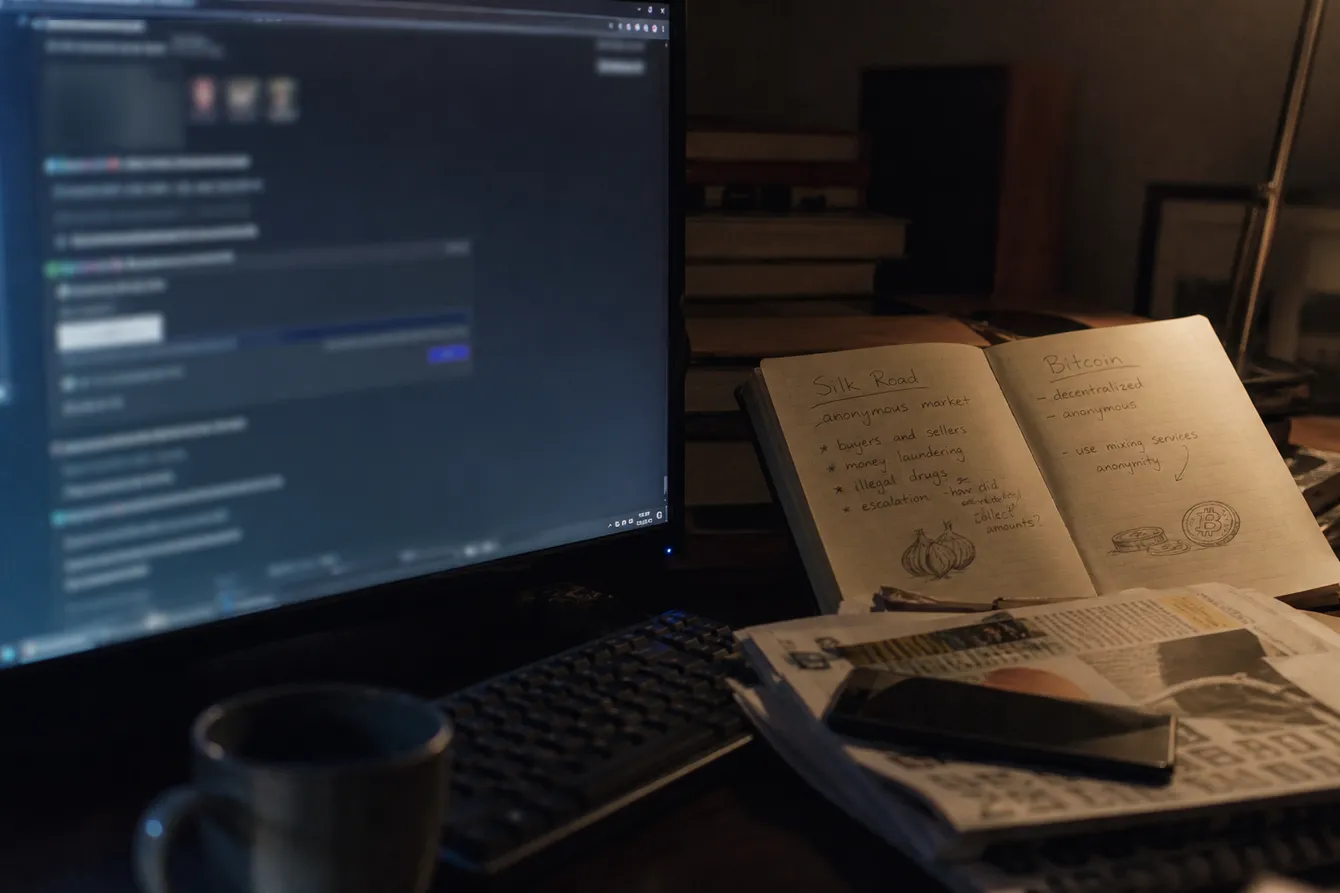
Silk Road became a pivotal player in the dark web due to its innovative marketplace model that combined several key elements. These features included pseudonymous accounts, Bitcoin payments, escrow services, vendor listings, and a reputation system. Together, they created a unique environment for buying and selling goods anonymously.
Pseudonymous accounts allowed users to operate under aliases, providing a layer of privacy. This anonymity was crucial in fostering trust among users who were often engaging in illegal transactions. Buyers and sellers did not have to reveal their true identities, which made the marketplace more appealing. This is true if the user understood the risks involved; not suitable when transparency is required for safety.
Bitcoin payments were another game-changer. This cryptocurrency facilitated transactions without the need for traditional banking systems, which often involve comprehensive tracking. The use of Bitcoin also added a layer of anonymity, as it does not directly tie transactions to personal information. However, this anonymity is not absolute; law enforcement agencies have developed methods for cryptocurrency tracing.
Escrow services were implemented to protect both buyers and sellers. When a buyer made a purchase, the payment would be held in escrow until the buyer confirmed receipt of the goods. This system reduced the risk of fraud, as sellers were incentivized to deliver as promised. The reputation system played a critical role as well; users could leave feedback, helping others gauge the reliability of vendors. A solid reputation could lead to increased sales, while negative reviews could deter potential customers.
These combined features not only shaped public understanding of the dark web but also set a precedent for future marketplaces. As users became more aware of the possibilities for anonymous transactions, it sparked interest and curiosity about the dark web. While Silk Road itself is no longer operational, its influence persists. Lessons learned from its model continue to impact how new platforms are designed and how users navigate the dark web today.
In summary, Silk Road's significance comes from its effective blend of anonymity, secure transactions, and community feedback. This model not only facilitated illegal commerce but also contributed to a broader understanding of the dark web as a marketplace.
What Happened to Silk Road Links After the Seizures
After the shutdown of the original Silk Road, many links associated with it have since become either inactive or misleading. Users may encounter addresses that are offline, display seizure notices, or exist only in screenshots. These changes are primarily due to law enforcement actions and the rise of imitation sites.
One common outcome is that old Silk Road links now lead to pages with law enforcement seizure notices. For instance, the FBI and the U.S. Department of Justice took down the original Silk Road in 2013, and as a result, any attempts to access its original .onion address will often redirect to a seizure banner. This is a clear indication that the site is no longer operational, and any activity attempting to access it could be risky.
Another issue is the proliferation of copycat sites that use similar names or logos to the original Silk Road. Examples include Silk Road 2.0, which launched shortly after the original's demise but was also shut down by authorities in 2014. These imitation sites often aim to exploit the original's reputation for their own gain. Users should be cautious as these sites may not only be scams but could also lead to phishing attacks designed to steal personal information or cryptocurrency.
It’s important to understand that just because a site uses the name ‘Silk Road’ or similar branding, it does not mean it is connected to the original marketplace. The continuity of a brand does not exist in the dark web as it might in the traditional internet. Many sites claiming to be successors or alternatives to Silk Road lack legitimacy and could pose significant risks to users.
To navigate this landscape safely, it’s advisable to verify the authenticity of any site before engaging with it. Always look for established resources or guides that can provide reliable information about dark web marketplaces. For a comprehensive overview of vendors, consider checking out the Dark Web Vendors List: A Comprehensive Overview.
How Law Enforcement Identified Silk Road’s Operators
Law enforcement agencies, particularly the FBI, used a combination of strategies to identify the operators of Silk Road. This was no simple task, as the marketplace was designed to ensure user anonymity through the Tor network. However, mistakes made outside this network provided investigators with critical leads.
Investigators began by analyzing public posts made by Silk Road's founder, Ross Ulbricht, who operated under the pseudonym ‘Dread Pirate Roberts’. His online activities included discussions in various forums that were not anonymized, allowing law enforcement to connect his real identity to the Silk Road. This highlights how even in a seemingly secure environment, careless mistakes can reveal crucial information.
In addition to public posts, investigators utilized account and server evidence. They analyzed server logs, which, although difficult to trace, contained information that pointed to the operational methods of Silk Road. This included the identification of specific servers that were used to host the marketplace. By combining these technical details with conventional investigative techniques, such as surveillance and intelligence gathering, the FBI was able to piece together a clearer picture of the operation.
Cryptocurrency tracing played a significant role as well. Silk Road primarily used Bitcoin for transactions, which, while offering some anonymity, is not completely untraceable. Law enforcement agencies developed methods to track Bitcoin transactions, allowing them to follow the flow of funds from Silk Road to various wallets. This tracing led to the identification of individuals involved in the marketplace.
It’s essential to distinguish between the anonymity provided by Tor and the vulnerabilities that can arise from user behavior outside of it. While Tor effectively masks IP addresses, any identifiable actions taken by users on other platforms can compromise their anonymity. This was evident in the case of Silk Road, where a mixture of digital footprints and investigative diligence led to the arrest of its operators.
In summary, the identification of Silk Road's operators was a multifaceted process that combined technical analysis, cryptocurrency tracing, and traditional investigative methods. Mistakes made outside the secure environment of the dark web ultimately contributed to the downfall of this notorious marketplace.
How to Assess Claims About a Silk Road Link Safely
Evaluating claims about Silk Road links requires a careful approach to avoid misinformation and potential risks. Here’s a checklist to help navigate these waters safely.
Checklist for Assessing Claims
Check the Publication Date
Ensure that the information is current. Outdated claims may refer to sites that are no longer operational or have been taken down.Identify the Source
Verify if the source is an official agency, like the U.S. Department of Justice (DOJ), or a reputable archive. Established journalism, such as articles from well-known newspapers, can also be reliable.Look for Unsupported Claims
Be wary of any claims suggesting that Silk Road has “returned.” These are often misleading and can lead to scams or phishing attempts.Avoid Downloads and Payments
Do not download files or make payments associated with unverified links. This could expose you to malware or financial loss.Beware of Credential Requests
Legitimate sources will not ask for personal credentials. If a site requests such information, it’s a red flag.
Recommended Resources for Research
For historical research on Silk Road, consider the following reliable sources:
- DOJ Releases: Official announcements and documents provide factual information about law enforcement actions.
- Court Documents: These can offer insights into legal proceedings related to Silk Road and its operators.
- Established Journalism: Articles from credible news organizations cover the history and impact of Silk Road.
- Library or Web Archives: These archives can help access older content that may no longer be available on the live web.
By following this checklist and utilizing reputable sources, the reader can effectively assess claims about Silk Road links while minimizing risks associated with the dark web.
Silk Road Documentaries and Movies: What Viewers Are Looking For
Viewers interested in the Silk Road often encounter a mix of documentaries and dramatized films. It's important to differentiate between the documentary ‘Silk Road: Drugs, Death and the Dark Web’ and the 2021 film simply titled ‘Silk Road’.
The documentary provides a factual account of the Silk Road's rise and fall, including insights into its founder, Ross Ulbricht, and the law enforcement efforts that ultimately led to its shutdown. It explores the marketplace's impact on the dark web, the use of Bitcoin, and the societal implications of illegal online trade. This documentary is a great resource for those seeking a deeper understanding of the subject matter.
In contrast, the 2021 film dramatizes the events surrounding Silk Road in a narrative format. While it may contain elements of truth, it often takes creative liberties for storytelling purposes. Viewers looking for an accurate portrayal of events should approach such dramatizations with caution.
Availability of these titles can vary based on location and time. For instance, Netflix may carry one or both titles in different regions at different times. To find the most current listings, viewers should verify through official streaming platform pages or licensed guides. This ensures that they are accessing legitimate content and not falling prey to unauthorized copies or misleading links.
For those looking to explore the dark web further, we recommend checking out resources such as the Dark Web Series List: Recommendations and Insights for a comprehensive overview of related content.
Silk Road Link Provenance
| Link Type | Date | Verification Source | Notes |
|---|---|---|---|
| Original Silk Road | 2011-2013 | DOJ Releases | Shut down by law enforcement |
| Silk Road 2.0 | 2014 | Court Documents | Also seized by authorities |
| Seizure Page | 2013-Present | DOJ Releases | Displays law enforcement notices |
| Archive | 2013-Present | Library Archives | Historical snapshots available |
| Unverified Copycat | Depends on site | Established Journalism | Caution advised for scams |
Common Mistakes and Misconceptions
Assuming Silk Road Still Operates
The original Silk Road and Silk Road 2.0 are no longer operating. Familiar branding can mislead beginners into treating a namesake as an official continuation.
- Correct approach: Treat any supposed ‘new Silk Road’ as an unrelated, unverified service.
This is true when discussing the original marketplaces; it does not cover independent sites borrowing the name.
Treating Every Old Address as a Working Marketplace
A historical onion address is evidence, not a usable destination. It may now be inactive, preserved in an archive, or associated with a seizure notice.
- Correct approach: Identify whether the address comes from court records, journalism, or an archive.
Think of it like an old Manchester shop sign: recognizable branding does not mean the shop remains open.
Confusing Seizure Pages, Archives, and Copycats
These pages serve very different purposes despite sharing Silk Road imagery. A seizure page records enforcement, an archive preserves material, and a copycat imitates the brand.
- Correct approach: Classify the page before trusting any claim attached to it.
This distinction works when provenance is documented; it does not help when the source is anonymous or unverifiable.
Believing Investigators Had to ‘Break Tor’
Law enforcement does not need to defeat Tor itself to identify operators. Investigations can combine public posts, account reuse, financial records, server evidence, surveillance, and mistakes outside protected sessions.
- Correct approach: Separate weaknesses in personal behavior from weaknesses in Tor.
We suggest viewing anonymity as a chain: one exposed link can undermine the rest.
Using Search Results as Proof of Authenticity
A high search position does not prove that a Silk Road link is genuine. Search results may surface outdated articles, copied directories, scam pages, or mislabeled archives.
- Correct approach: Verify the publisher, context, and purpose without entering credentials or sending cryptocurrency.
This works for historical research; it is not a method for validating an active marketplace.
Mixing Up the Documentary and Dramatized Movie
The documentary and the dramatized ‘Silk Road’ movie are separate works. Search and streaming services may combine their results, while availability can differ across the United Kingdom.
- Correct approach: Check the title, format, synopsis, and official platform listing.
A result visible in Manchester may not appear elsewhere, so we avoid treating regional streaming listings as permanent.
Conclusions
Silk Road matters as a historical case, not a destination.
- The original marketplace is gone; any current namesake should be treated as unaffiliated and potentially deceptive.
- An onion address alone proves nothing. Start by checking its origin, publisher, and intended purpose.
- Tor can conceal network details, but it cannot erase identity clues left through accounts, payments, or ordinary browsing.
- Archived pages and seizure notices support research; they are not working shops wearing vintage clothing.
- Films can introduce the story, though court documents and official records better support factual research.
This approach works for historical verification, not marketplace access; next, read our Dark Web Addresses: Your Essential Guide.
Related resources
These services are useful starting points for further research. Useful sites.
 Dark Web Vendors List: A Comprehensive OverviewExplore our dark web vendors list for insights on marketplaces, vendor reliability, and tips for safe navigation in the dark web.
 List of Dark Web: Your Comprehensive ResourceExplore our list of dark web resources to safely navigate .onion sites and discover practical tips for beginners in the UK.
 Darknet Links 2025: What to ExpectDiscover the latest darknet links for 2025, ensuring safe access to onion services while avoiding scams and fake links.
 Dark Web Number List: Accessing Hidden ResourcesDiscover the dark web number list, including phone numbers, leaked records, and .onion addresses to access hidden resources safely.